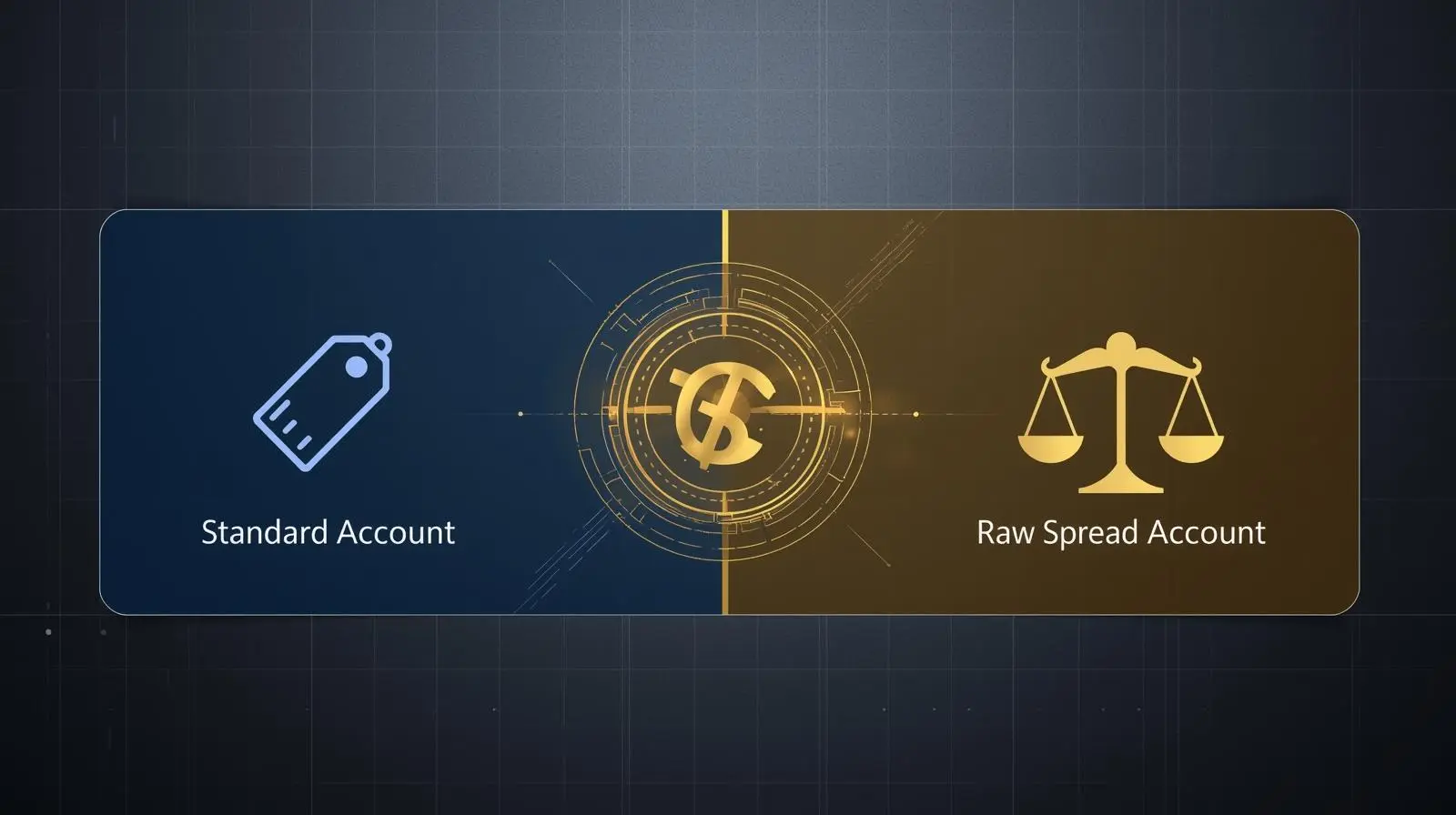
Choosing the right account type is a pivotal decision for any investor navigating the financial markets in the United Arab Emirates. Most brokers in the region offer two primary options: Raw Spread accounts and Standard accounts. While both provide access to the same currency pairs, the way you pay for your trades differs significantly. Understanding these costs is essential for maintaining a profitable trading strategy over the long term.
What is a Standard Spread Account?
A Standard account is often the go to choice for retail investors and those new to the markets. In this model, the broker integrates their service fee directly into the spread, which is the difference between the buy and sell price. You do not pay a separate commission for each trade, making the cost structure simple and transparent.
For many traders in Dubai or Abu Dhabi, the appeal of a Standard account lies in its predictability. You know exactly what you are paying the moment you open a position. However, these spreads are usually wider than those found in Raw accounts. While you avoid commission fees, the higher spread can eat into your profits, especially if you trade frequently or use strategies that target small price movements.
Understanding the Raw Spread Model
The Raw Spread model operates differently and is typically preferred by professional traders and scalpers. In this setup, the broker passes the market price directly from liquidity providers to the trader with little to no markup. This results in incredibly tight spreads, often starting from zero pips during periods of high market liquidity.
Because the broker does not make money from the spread, they charge a fixed commission per lot traded. This model offers high transparency because you see the true market price. For a trader using high frequency strategies, paying a small commission for a near zero spread is usually much cheaper than paying a wide spread on every transaction.
Key Differences for UAE Market Participants
When you compare these two options, you must consider your trading style and the specific assets you trade. The best ECN broker UAE options usually provide Raw accounts that connect you directly to the interbank market, which is ideal for those who value execution speed and price accuracy.
Cost Analysis and Frequency
If you are a swing trader who holds positions for several days, the wider spread of a Standard account might not impact you significantly. In this case, the convenience of a commission free environment is a benefit. On the other hand, day traders who execute dozens of trades daily will find that commissions on Raw accounts are far more economical than paying the markup on Standard spreads.
Minimum Deposit and Account Requirements
In the UAE, Raw Spread or ECN accounts sometimes require a higher initial deposit compared to Standard accounts. Brokers often reserve their lowest latency and tightest spread environments for committed traders. However, the gap is narrowing, and many competitive firms now offer Raw Spread access for as little as five hundred dollars, making professional grade tools accessible to a broader audience.
Which Account Type Should You Choose?
The decision ultimately depends on your financial goals and your level of experience. Beginner traders often find Standard accounts easier to manage because they do not have to calculate commission costs into their risk management equations. The simplified pricing allows them to focus on learning technical analysis and market sentiment.
Experienced investors who utilize automated trading systems or Expert Advisors (EAs) almost always opt for Raw Spreads. These systems require the tightest possible pricing to function correctly. If you are looking for the most efficient way to trade the dirham pegged dollar or major pairs like EUR/USD, the Raw Spread model provides the professional edge needed in today’s fast moving markets.